What a Quarterly Perimeter Treatment Does About Ants and Spiders
A visit every 90 days sounds simple. Here is what each part of it is for.
October 1, 2026 · 4 min read
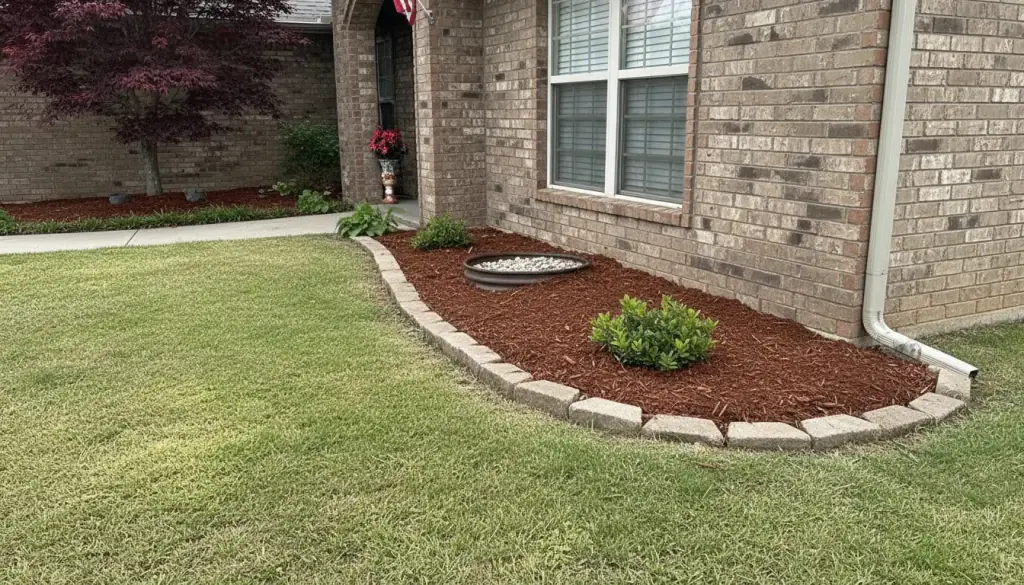
Almost every ant trail on a kitchen counter and every spider in a garage corner started outdoors. That is the idea behind perimeter pest control: deal with the pests where they come from, at the edges of the house, instead of chasing them one at a time after they have already moved in. EverGreen Lawns & Pest Control runs its residential program on a visit every 90 days. Here is what that visit is made of and why it works the way it does.
How ants and spiders end up inside
Ants are scouts. A worker wanders until it finds food or water, goes back to the nest, and a trail of others follows. They use gaps you would never notice: around pipes, under door sweeps, along window frames, through hairline cracks in brick and siding. Heavy rain and dry spells both tend to push them toward the house.
Spiders mostly follow their food. A house with ants, flies, gnats and other small insects around the foundation is a house with something for spiders to eat. Wolf spiders are ground hunters. They do not build catching webs, and they wander, which is why you meet them on a garage floor or in a basement at night. House spiders do the opposite. They settle into a corner, build a tangle of web, and wait.
Wolf spiders look alarming because they are big and fast, but they are not aggressive toward people. A word of caution on the rest: Arkansas has a couple of spiders that deserve real respect, so if you are not sure what you are looking at, have it identified instead of guessing.
What happens on a visit
Here is what EverGreen's residential program includes: they visit quarterly, every 90 days, and the service includes an exterior perimeter treatment, dusting of cracks and crevices, and knocking down and eliminating cobwebs. They can also perform an interior spot treatment at the customer's request. Each of those has a different job.
- Exterior perimeter treatment: a band of treatment around the outside of the home, where ants and spiders cross on their way in. This is the main barrier.
- Dusting of cracks and crevices: dust works its way into the small voids and gaps where insects travel and hide, places that are hard to reach any other way.
- Cobweb knockdown: removing old webs clears away what spiders have been building, and a fresh web that appears afterward is an easy sign of where they are still active.
- Interior spot treatment, on request: a targeted treatment indoors, in the place you have been seeing the problem, without treating the whole house.
Why every 90 days
Whatever goes on the outside of a house is working against sun, rain, lawn watering and foot traffic, and the pest pressure changes with the seasons. Ants that were quiet in January are busy by April. A regular schedule keeps the treatment current and catches changes in what is showing up, instead of waiting until you call about a trail on the counter.
If you do not want an ongoing program, EverGreen also does one-time treatments. A customer, Austin Davis, wrote in a Google review: “I like that they offer both one-time services and ongoing plans, so you can choose what works best for you.” Which one makes sense depends on how often the problem comes back.
What to expect, honestly
A perimeter treatment is not a force field. You may still see the occasional ant or spider, particularly in the first couple of weeks as pests that were already inside work through it. The goal is a clear drop in how many get in and how long they stay, and a house that is much easier to keep that way.
The same customer described the result at home like this: “We had issues with ants and spiders, and after their treatments, those problems were handled quickly and haven’t come back.” That is one customer's experience, not a promise for every home, but it is the outcome a program like this is aiming for.
What you can do between visits
A few things around the house make the treatment's job easier, and none of them cost much:
- Pull mulch back a few inches from the foundation and keep shrubs and vines from touching the house. Plants make bridges.
- Seal obvious gaps around pipes and cables, and replace worn door sweeps.
- Fix leaks and wet spots. Moisture draws ants and the insects that spiders feed on.
- Store firewood off the ground and away from the walls.
- Keep food in sealed containers, and wipe up sticky spills the same day.
- Cut down on clutter in garages and closets, where spiders settle undisturbed.
Telling your technician what you see
The most useful thing a homeowner can do is tell the technician where. Which room, which window, what time of day, how many. A trail that appears at the same spot every morning points to an entry point. Webs that keep coming back in one corner point to a food source nearby. The more specific you are, the more targeted the visit can be.
You can read more on the Residential Pest Control page under Services, or call EverGreen at (479) 231-7477 and ask about ants, wolf spiders, house spiders or whatever else is showing up at your place in Northwest Arkansas.
EverGreen Lawns & Pest Control, (479) 231-7477
Call (479) 231-7477More articles
Why Lime Goes Down on Northwest Arkansas Lawns
If your lawn stays pale and thin no matter how much you feed it, the problem may be sitting in the soil, not in the bag.
Why Crabgrass Keeps Coming Back, and What Spot Spraying Does
Crabgrass dies every fall and shows up again every summer. Knowing why is most of the fight.